Loose dentures can feel like a rollercoaster ride—exciting at first but quickly turning uncomfortable. If they’re slipping and sliding around like they’re auditioning for a dance competition, it’s time to take action. Fortunately, tightening those pesky dentures doesn’t require a trip to the dentist or a degree in dental engineering.
Understanding Loose Dentures
Loose dentures can lead to discomfort and affect daily activities. Recognizing the causes and signs of loose dentures helps manage this issue effectively.
Common Causes of Loose Dentures
Age often plays a significant role in the fit of dentures. Bone loss in the jaw may occur as individuals age, leading to loosening. Changes in the mouth’s shape can arise from weight loss or loss of teeth. Additionally, improper care of dentures can impact their stability. Long-term wear might also cause the fitting surfaces to smooth out. Adjustments over time may be necessary to maintain a proper fit.
Signs That Your Dentures Are Loose
People commonly experience discomfort when dentures fit improperly. Difficulty eating or speaking can signal a need for adjustment. Repeated slipping or movement during regular activities can indicate looseness. Gums might feel sore due to improper pressure from loose dentures. Bad breath may also develop if food particles get trapped underneath. Observing these signs helps address issues promptly and enhances overall comfort.
Home Remedies for Tightening Dentures
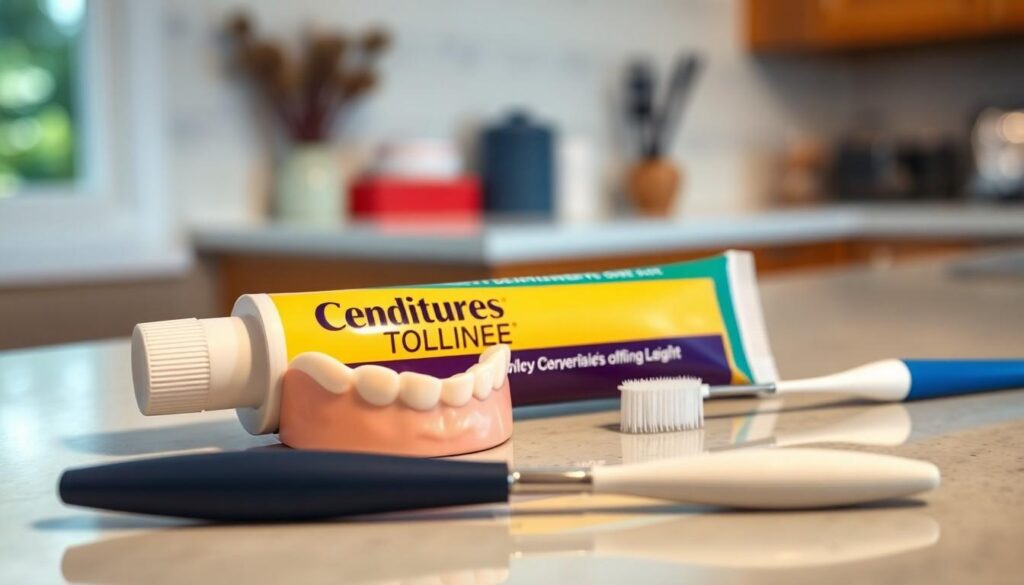
Tightening loose dentures at home can increase comfort and functionality. Several effective methods exist for achieving a better fit without professional assistance.
Using Denture Adhesives
Denture adhesives offer a practical solution for improving denture stability. These products typically come in cream, powder, or strip forms, creating a bond between dentures and gums. Users must apply the adhesive correctly for optimal results, ensuring even coverage. Popular brands include Fixodent, Poligrip, and Secure, known for their effectiveness. Regular cleaning of dentures removes residue that may affect the adhesive’s hold. Following package instructions ensures proper application and longevity.
Adjusting Denture Fit with Reline Kits
Reline kits provide a cost-effective method for enhancing denture fit. These kits typically include a soft material that molds to gum contours. Users must clean their dentures before applying the reline material, ensuring a solid connection. Following the instructions carefully is crucial, as the process often involves mixing components and allowing time to set. Many find reline kits to be an easy solution for temporary adjustments. Products like Denture Reline and Dental Dudes are popular choices, delivering satisfaction and improved comfort.
Preventive Measures
Maintaining proper denture fit involves several preventive measures to avoid future looseness. These measures ensure overall comfort and enhance longevity.
Proper Cleaning Techniques
Effective cleaning techniques play a crucial role in preventing denture looseness. Users should clean their dentures daily using a non-abrasive cleanser. Rinsing with warm water removes food particles and prevents bacterial growth. Additionally, soaking dentures in a cleansing solution overnight helps maintain their shape and integrity. Brushing dentures with a soft-bristled brush keeps surfaces clear without damaging the material. Following these steps consistently reduces the risk of looseness caused by buildup.
Regular Dental Check-ups
Scheduling regular dental check-ups significantly aids in denture maintenance. Dental professionals can assess fit, make necessary adjustments, and provide essential guidance. During check-ups, individuals gain insights into proper care practices. These visits also identify any changes in oral health that may affect denture fit. Keeping a routine of dental visits prevents potential issues before they escalate. Regular check-ups ensure that dentures remain functional, comfortable, and secure in the mouth.
Lifestyle Changes to Improve Denture Fit
Making specific lifestyle changes can significantly enhance the fit of dentures. Adjusting daily habits helps improve overall comfort and function.
Eating Habits
Consuming softer foods offers comfort for those wearing dentures. Incorporating options such as mashed potatoes, yogurt, and steamed vegetables can ease the chewing process. Chewing slowly promotes better adaptation to dentures. Additionally, avoiding sticky or hard foods prevents denture slippage and discomfort. Staying hydrated also helps maintain oral moisture, supporting gums and enhancing fit. Eating smaller, manageable bites allows for better control while chewing, making it easier to adapt.
Oral Exercises
Engaging in oral exercises can strengthen the muscles around the mouth. Simple movements, like repeatedly pursing lips and opening wide, improve muscle tone and denture stability. Moving the jaw side to side also promotes better muscle control. Regular practice of these exercises increases familiarity with dentures, fostering confidence during eating and speaking. Setting aside a few minutes each day for these routines ensures muscle strength and comfort. Consistency in performing oral exercises leads to a more natural fit over time.
Tightening loose dentures at home is achievable with the right techniques and products. By utilizing denture adhesives and reline kits, individuals can significantly enhance their comfort and confidence. It’s essential to recognize the signs of loose dentures and address them promptly to prevent further discomfort.
Incorporating preventive measures and lifestyle adjustments can also contribute to better denture fit. Regular cleaning and hydration play vital roles in maintaining oral health and ensuring dentures remain secure. With consistent effort and attention, anyone can enjoy a more comfortable denture experience, leading to improved daily activities and overall well-being.