Emphasis interior design isn’t just about throwing a few trendy pillows on the couch and calling it a day. It’s the art of creating spaces that not only look stunning but also express personality and purpose. Imagine walking into a room that feels like a warm hug, where every corner tells a story and every color sparks joy. Sounds dreamy, right?
Overview of Emphasis Interior Design
Emphasis interior design prioritizes the creation of spaces that resonate with both aesthetics and functionality. This approach integrates personal style with practical living needs. Designers focus on a central theme, ensuring that each element contributes to a unified atmosphere.
Key aspects of emphasis interior design include color selection, furniture arrangement, and the use of textures. Color selection influences mood, while thoughtfully arranged furniture promotes flow and interaction. Textures add depth, creating visual interest through materials like wood, fabric, and metal.
Lighting plays a crucial role in highlighting focal points. Appropriate lighting enhances features such as artwork or architectural details. Flexibility in lighting options allows adaptability to different settings or occasions.
In addition to visual appeal, this design approach addresses the purpose of each space. For instance, a living room designed for relaxation might incorporate comfortable seating and soothing colors. Understanding the intended use of each area helps in crafting a functional environment.
Incorporating personal touches also enhances the relevance of the design. Family photos, travel souvenirs, and artwork contribute to the narrative of a space. These elements not only reflect individual personality but also create a sense of belonging.
Emphasis interior design ultimately results in spaces that are not only visually appealing but also deeply connected to the inhabitants’ lives. A well-executed design allows for both beauty and utility, making daily experiences more enjoyable and reflective of personal identity.
Key Principles of Emphasis Interior Design
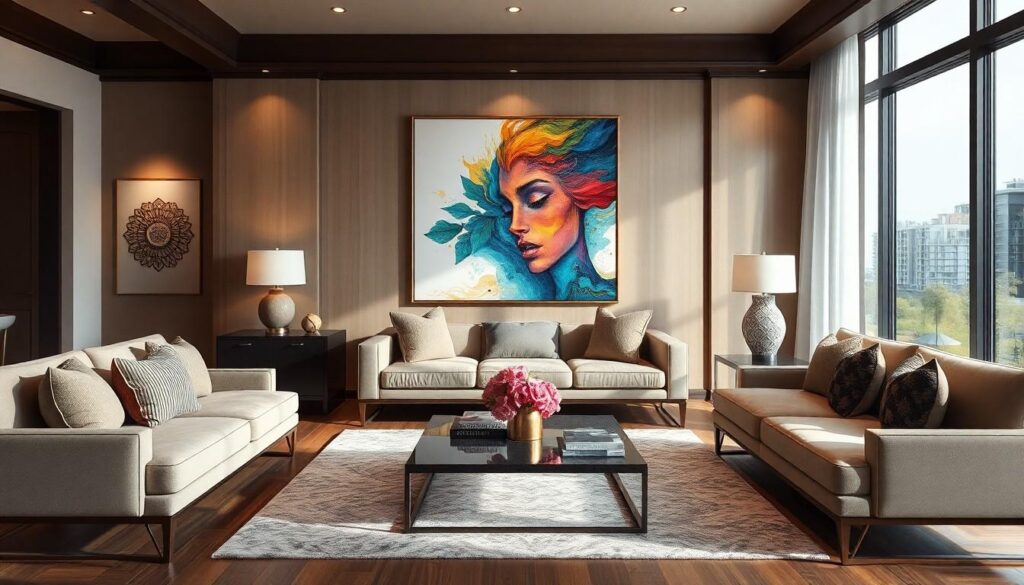
Emphasis interior design revolves around creating spaces that tell a story while meeting practical needs. This approach balances aesthetics with functionality, integrating personal touches that resonate with inhabitants.
Focal Points
Focal points serve as the central feature in a room, drawing attention and anchoring the overall design. Designers often use elements such as artwork, a striking piece of furniture, or a fireplace to establish these focal areas. Each room can benefit from a defined focal point, which guides the viewer’s eye and creates a sense of purpose. Lighting emphasizes these features, highlighting shapes and textures that enhance visual interest. Consistent use of color and arrangement further strengthens the impact of focal points, ensuring they stand out while harmonizing with surrounding elements.
Balance and Harmony
Balance and harmony work together to create an inviting atmosphere in a space. Designers achieve balance through the strategic placement of furniture and decor, distributing visual weight evenly across a room. Symmetrical arrangements often promote a sense of order, while asymmetrical layouts add dynamic interest. Harmony arises when all elements, from colors to materials, coordinate and complement one another. Incorporating various textures enriches the environment, fostering a cohesive design that feels intentional and well-thought-out. Achieving both balance and harmony enhances the emotional response of inhabitants, making spaces more comfortable and enjoyable.
Color Schemes in Emphasis Interior Design
Color schemes play a vital role in emphasis interior design. These selections affect the overall mood and aesthetic of a space.
Warm vs. Cool Colors
Warm colors, such as reds, oranges, and yellows, create inviting environments that evoke energy and comfort. They draw people in, making spaces feel cozy and vibrant. Cool colors, including blues, greens, and purples, provide calmness and serenity. These colors promote relaxation, ideal for spaces meant for unwinding, like bedrooms or reading nooks. Balancing warm and cool tones throughout a room enhances dynamism while maintaining harmony. Focusing on these contrasting schemes amplifies a room’s emotional impact, directing attention to specific areas of the design.
Color Psychology
Color psychology significantly influences how individuals perceive and interact with a space. For instance, blue often inspires a sense of tranquility and peace, making it perfect for bathrooms or meditation areas. Yellow tends to stimulate optimism and creativity, suitable for home offices or playrooms. Green connects inhabitants with nature, fostering a sense of rejuvenation in living areas. Designers leverage these psychological effects to enhance the functionality of spaces. Selecting colors intentionally builds environments that resonate with personal style while supporting emotional well-being.
Furniture Selection and Arrangement
Carefully selecting and arranging furniture creates visually compelling and functional living spaces that embody emphasis interior design. Central themes emerge through intentional choices, guiding the overall atmosphere of a room.
Statement Pieces
Statement pieces draw immediate attention and serve as focal points within a space. A well-selected piece of art or distinctive furniture can anchor the design, setting the tone for the entire room. For instance, a bold sofa in a vibrant color creates energy, while a unique sculpture introduces character. Designers often recommend balancing these prominent elements with understated decor to prevent visual clutter. Proper lighting enhances the impact of statement pieces, making them stand out even more. Additionally, incorporating personal significance into these items creates a more meaningful connection to the space.
Functional Layouts
Functionality governs the arrangement of furniture, ensuring spaces serve their intended purpose while fostering comfort. Prioritizing flow allows inhabitants to navigate each room effortlessly. Designers commonly employ zoning to specify areas for various activities, like socializing or relaxing. To illustrate this, placing a coffee table within easy reach of seating creates a conversational setting. Avoid overcrowding by allowing ample space between furniture pieces, which enhances movement. Furthermore, utilizing multi-functional furniture maximizes utility without sacrificing aesthetics. Thoughtful layouts support daily routines while reflecting personal style, creating harmonious environments that feel both inviting and practical.
Textures and Materials
Textures and materials play a crucial role in emphasis interior design. They add depth and interest while enhancing the overall aesthetic of a space.
Layering Textures
Layering textures creates a rich visual landscape. Combining materials like velvet cushions, wooden furniture, and metal accents introduces tactile variety. Designers select complementary textures to evoke warmth and comfort, ensuring that each element contributes to a cohesive atmosphere. For instance, using a soft rug under a sturdy coffee table invites interaction while contrasting materials enhances visual appeal. This approach allows for personal expression, making a space not only stylish but also inviting.
Sustainable Options
Sustainable options in materials reflect a commitment to the environment. Bamboo flooring, reclaimed wood furniture, and organic textiles provide eco-friendly choices without sacrificing style. Designers consider both aesthetics and environmental impact, opting for materials that are renewable and responsibly sourced. Incorporating these sustainable elements fosters a connection to nature, promoting well-being and harmony within the design. Utilizing non-toxic finishes enhances safety and comfort, contributing to a healthier living atmosphere while aligning with contemporary values.
Emphasis interior design stands out as a powerful approach that marries aesthetics with functionality. By focusing on personal style and practical needs, it creates spaces that resonate deeply with inhabitants. Each design element plays a role in crafting a cohesive narrative that enhances emotional well-being.
Through thoughtful color selection, strategic furniture arrangement, and the incorporation of textures, designers can evoke specific moods and foster inviting environments. Lighting further elevates these elements, ensuring that focal points shine while maintaining balance.
Ultimately, emphasis interior design transforms living spaces into reflections of individual identity, promoting both beauty and utility in everyday life. This design philosophy not only meets practical requirements but also enriches the emotional landscape of a home.