Imagine stepping into your backyard and discovering a cozy retreat that’s more than just a patch of grass. A backyard home isn’t just a trend; it’s the ultimate solution for maximizing space and adding a sprinkle of charm to everyday life. Whether it’s a serene office, a vibrant art studio, or a guest haven, the possibilities are endless—and let’s face it, who wouldn’t want to escape to their own little slice of paradise just steps from their back door?
What Is a Backyard Home?
A backyard home is a separate living space located in a residential backyard. Such structures provide an excellent solution for homeowners seeking additional space without the need to relocate. Backyard homes typically serve multiple functions, including guest quarters, rental units, or personal retreats.
Creating a backyard home involves various designs and styles that fit seamlessly into existing landscapes. Many choose modern, minimalist designs, while others prefer cozy traditional styles. Flexibility remains a significant advantage, allowing customization to meet individual needs.
Local regulations play a crucial role in the feasibility of constructing a backyard home. Zoning laws can affect size, placement, and occupancy options. Homeowners need to understand these regulations before pursuing construction.
Cost remains an important consideration when embarking on this project. Expenses may include design fees, construction materials, and utilities. Conducting a detailed budget analysis ensures realistic financial planning.
Sustainability often features in modern backyard home designs. Integrating eco-friendly materials and energy-efficient systems can reduce environmental impact. Embracing sustainability not only benefits homeowners but also contributes positively to the community.
Overall, a backyard home offers an innovative solution to housing challenges. As living space demands increase, these structures will likely become more prevalent. Exploring trends and advancements in backyard home construction helps homeowners make informed decisions.
Benefits of a Backyard Home
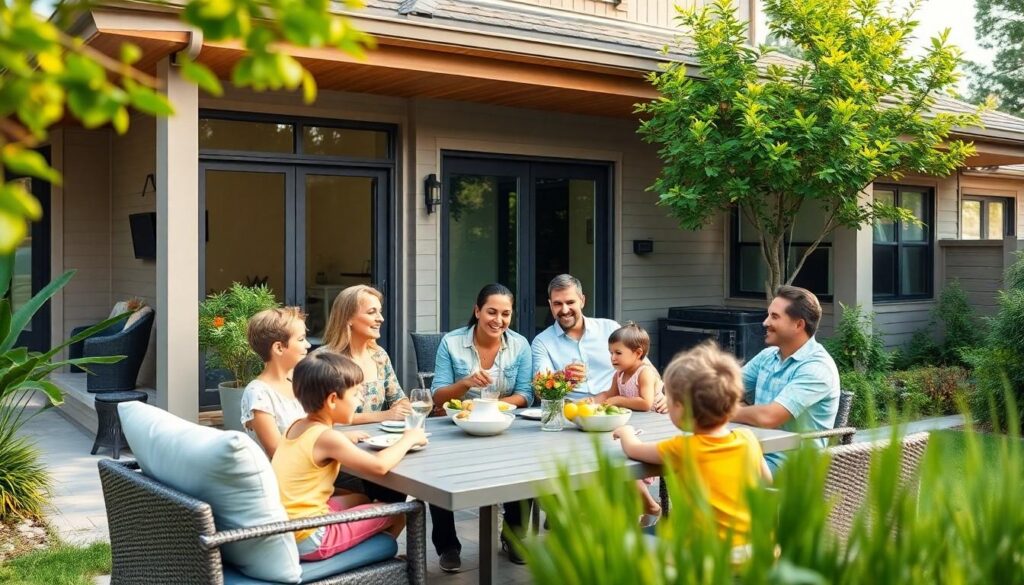
Backyard homes offer various advantages that enhance residential living.
Increased Living Space
Backyard homes provide extra living areas without the need for major renovations or relocations. Homeowners can transform their backyards into multifunctional spaces, including offices, guest accommodations, or creative studios. Creative designs easily blend with existing landscapes, maintaining the aesthetic appeal of properties. Families often benefit from additional rooms, enabling more comfortable living arrangements. These structures support the growing trend of remote work, allowing individuals to establish dedicated workspaces at home. Flexibility in usage caters to different needs, making backyard homes a practical solution for space challenges.
Potential Rental Income
Backyard homes serve as excellent sources of rental income. Homeowners can rent out these spaces to short-term guests or long-term tenants, creating an additional revenue stream. Local housing demands often favor rental units, especially in urban areas. Homeowners can maximize property value through strategic rental agreements. Successful rentals can significantly enhance financial stability while providing visitors with unique accommodations. Owners benefit from increased property appreciation as the rental market continues to grow. This option allows for additional financial freedom, making backyard homes an attractive investment.
Designing Your Backyard Home
Creating a backyard home involves thoughtful design choices that reflect personal style and functional needs. This structure can enhance outdoor space and provide a useful retreat.
Choosing the Right Style
Selecting the appropriate style for a backyard home plays a crucial role in overall satisfaction. Popular styles include modern, rustic, and traditional, each offering distinct aesthetic elements. Modern designs often feature clean lines and large windows, promoting natural light and openness. Rustic styles embrace natural materials like wood and stone, blending seamlessly with outdoor landscapes. Traditional options exhibit classic architectural details such as gables and porches, creating a cozy atmosphere. Ultimately, the style should harmonize with the main house and surrounding environment.
Essential Features to Consider
Many essential features contribute to the functionality of a backyard home. Space for utilities, including plumbing and electricity, ensures comfort and convenience. Adequate insulation enhances energy efficiency, making the home more comfortable year-round. Flexible layouts allow for versatile use, accommodating needs such as a home office or guest room. Outdoor access can enhance the connection to nature, integrating patios or decks into the design. Additionally, storage solutions optimize available space, helping maintain an organized environment. Prioritizing these features leads to a well-designed backyard home that serves its intended purpose effectively.
Building Regulations and Permits
Building regulations and permits represent crucial components in constructing a backyard home. Understanding local zoning laws starts the process, as these laws dictate allowable structures. Many homeowners must check height restrictions, setbacks, and lot coverage limits.
Securing necessary permits follows zoning verification. Obtaining building permits ensures compliance with safety standards, including electrical and plumbing codes. Specific permit requirements may vary, so consulting local building authorities streamlines the process and avoids delays.
A survey of the property often becomes necessary. This survey verifies boundaries and identifies potential easements that could affect construction. Engaging professionals, such as architects or contractors, aids in navigating these regulations effectively.
Local housing regulations also determine uses for backyard homes. Rental units may require additional inspections or licenses. Review occupancy limits to ensure that your new space meets local criteria for residential dwellings.
Adhering to environmental assessments might be a requirement. Some areas necessitate evaluations for stormwater management or potential impacts on local wildlife. Understanding these assessments prepares homeowners for additional steps in the permitting process.
Planning for construction timelines is essential. Anticipating the duration for approvals and inspections can prevent project delays. Homeowners should factor in time for appeals or amendments that may arise during the permitting process.
Staying informed about regulatory changes remains important. Municipalities often update codes or introduce new rules affecting backyard homes. Regularly checking local government websites helps homeowners remain compliant with evolving requirements.
Cost Considerations
When planning a backyard home, various costs require careful assessment. Design fees typically account for 10% to 20% of the total project budget, depending on the complexity of the design and professional assistance needed. Construction materials represent a significant portion of expenses, with prices varying based on quality and local availability. Expect to spend between $150 to $300 per square foot for building, influenced by selected materials and finishes.
Utilities play a vital role in budgeting as well. Electrical, plumbing, and heating system installations can add an additional $5,000 to $15,000 to the overall cost. Homeowners may also need to consider landscaping expenses to ensure the structure integrates beautifully into the existing yard. Setting aside 5% to 15% of the total budget for landscaping enhancements proves beneficial.
Choosing sustainable materials could reduce long-term expenses, with eco-friendly options often yielding energy savings. For instance, energy-efficient windows and insulation significantly decrease utility bills over time. Taking advantage of state and local incentives for green building practices also helps lower upfront costs.
Financing options present another factor. Traditional home improvement loans often become the go-to solution, offering competitive rates and flexible terms. Homeowners considering rental opportunities should evaluate potential revenue streams, as rental units could generate $1,000 or more monthly, depending on location. However, understanding occupancy regulations ensures compliance and prevents unexpected costs.
Navigating these various cost aspects ensures homeowners develop a realistic budget. Planning carefully ultimately aids in achieving the dream of a backyard home while maintaining financial stability.
Backyard homes represent a unique opportunity for homeowners to enhance their living space without the hassle of moving. These versatile structures can adapt to various needs, from creating a cozy retreat to generating rental income. With careful planning and design, they can seamlessly blend into existing landscapes while providing functional and stylish solutions.
As the demand for innovative living arrangements grows, backyard homes are likely to become an integral part of modern residential life. Embracing sustainability and smart design choices not only elevates the aesthetic appeal but also contributes to long-term savings. Homeowners who invest in these spaces are not just expanding their property but also enriching their lifestyle.