In the bustling world of business, the office isn’t just a place to clock in and out; it’s a stage where creativity and productivity take center stage. Imagine walking into a workspace that feels more like a chic café than a stuffy cubicle farm. That’s the magic of commercial office interior design. It’s about transforming mundane spaces into inspiring environments that spark innovation and collaboration.
Gone are the days of drab gray walls and flickering fluorescent lights. Today’s office design embraces vibrant colors, flexible layouts, and cozy nooks that make employees want to come to work. If the walls could talk, they’d say, “Let’s make this place a little less boring, shall we?” With the right design, an office can become a haven where ideas flourish and teamwork thrives, proving that a little creativity can go a long way in boosting morale and productivity.
What Is Commercial Office Interior Design?
Commercial office interior design focuses on creating functional, aesthetically pleasing spaces suited for business operations. This design discipline balances aesthetics and practicality to improve the workplace environment. Its primary goal involves fostering collaboration, creativity, and productivity through thoughtful layouts and decor.
Elemental components of commercial office interior design include furniture selection, color schemes, lighting, and spatial arrangement. Designers choose furniture that supports ergonomic principles and facilitates teamwork. Color schemes often reflect the brand identity while enhancing mood and motivation. Lighting plays a critical role, with various options like natural light and energy-efficient artificial lighting creating an inviting atmosphere.
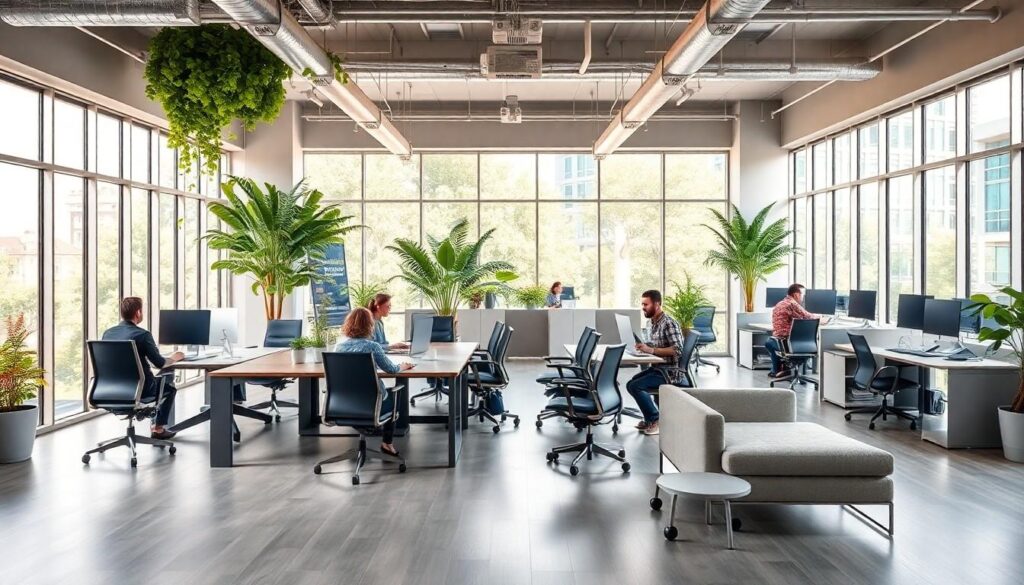
Innovative design strategies emphasize flexibility and adaptability. Open floor plans allow for dynamic interactions among employees, while dedicated quiet areas promote concentration and individual work. Incorporating greenery with plants enhances air quality and adds visual interest, contributing to employee wellness.
Moreover, technology integration forms a crucial aspect of contemporary office design. Designers ensure that spaces accommodate advanced communication tools and infrastructure, supporting seamless collaboration. Smart office solutions, such as adjustable desks and automated lighting, further improve the work experience.
Commercial office interior design prioritizes functionality, aesthetics, and employee well-being. By incorporating recent trends, designers create environments that not only align with company values but also inspire teams to excel.
Importance of Commercial Office Interior Design
Commercial office interior design plays a critical role in shaping the work environment. It influences employee engagement, creativity, and overall job satisfaction.
Enhancing Productivity
An effective office design fosters productivity by providing a functional layout. Open floor plans encourage collaboration while offering spaces for focused work. Natural light enhances mood and alertness, contributing to increased efficiency. Ergonomic furniture supports comfort, allowing employees to concentrate on their tasks. Implementing quiet zones reduces distractions, promoting better focus on work. Flexible areas accommodate both collaborative efforts and individual tasks, catering to various work styles. Incorporating technology seamlessly into the design enhances communication and streamlines workflows, ultimately boosting productivity.
Creating a Positive Work Environment
A thoughtfully designed office creates a positive atmosphere. Color schemes influence emotions, with warm hues fostering creativity and cool tones promoting calmness. Comfortable break areas encourage relaxation, allowing employees to recharge. Adding greenery improves air quality and enhances well-being, contributing to a more inviting space. Personalization options enable employees to express their individuality, enhancing a sense of belonging. The overall ambiance should inspire teamwork and innovation, aligning with the company’s culture. Such an environment significantly impacts employee morale, reducing stress and fostering job satisfaction.
Trends in Commercial Office Interior Design
Modern commercial office interior design embraces various innovative trends that enhance employee engagement and productivity. Two prominent trends include biophilic design and flexible workspaces.
Biophilic Design
Biophilic design integrates natural elements into office environments. It involves incorporating plants, natural light, and other organic features to create a connection with nature. Studies found that exposure to greenery can reduce stress and improve overall well-being. Companies often choose designs that include plant walls or ample windows to increase natural light. These design strategies not only enhance aesthetics but also promote a healthier work atmosphere.
Flexible Workspaces
Flexible workspaces focus on adaptability in office design. These layouts cater to diverse work styles and tasks, allowing for hot-desking or collaborative areas. Employees benefit from the ability to choose settings that match their needs, increasing satisfaction and productivity. Organizations prioritize creating diverse spaces that promote teamwork and focus, balancing open areas with quiet zones. As a result, flexible offices foster a dynamic work culture while accommodating different preferences and tasks.
Key Elements of Effective Commercial Office Interior Design
Effective commercial office interior design encompasses various elements that create a conducive workplace environment. Prioritizing functionality alongside aesthetics is vital for enhancing employee experience and productivity.
Space Planning
Space planning involves the strategic arrangement of furniture and work areas to optimize workflow. It emphasizes creating a balance between collaborative zones and private spaces, catering to diverse work styles. Effective layouts can enhance movement and interaction, fostering collaboration among team members. By deploying open spaces with designated quiet areas, companies promote focus and creativity. Utilizing modular furniture allows for flexibility, adapting to shifting team needs. Engaging spaces support various tasks, leading to improved employee satisfaction and performance.
Color Schemes and Materials
Color schemes and materials significantly influence the workplace atmosphere. Bright colors can energize a space, while softer tones create a calm environment. Choosing appropriate materials also contributes to overall aesthetics and functionality. Texture adds depth to the design, combining visual appeal with comfort. Incorporating sustainable materials promotes eco-friendliness while enhancing the corporate image. Lighting works in tandem with color choices, affecting mood and productivity. Therefore, thoughtful color palettes alongside quality materials transform workspaces, fostering positive engagement among employees.
Challenges in Commercial Office Interior Design
Commercial office interior design faces numerous challenges. Effective solutions ensure that spaces fulfill both aesthetic and functional requirements.
Budget Constraints
Budget constraints often limit choices in materials and design elements. Organizations may need to identify priorities for spending to maximize impact. Cost-effective solutions help maintain quality while adhering to financial limits. Creative approaches to furniture selection and decor can provide value without sacrificing design integrity. Selecting local suppliers reduces transportation costs, providing a practical method to stay within budget. Additionally, phased design implementations allow gradual enhancement of office environments, ensuring functionality remains intact throughout the transformation.
Meeting Regulatory Standards
Meeting regulatory standards presents another significant challenge. Compliance with local building codes and safety regulations is crucial for successful commercial office design. Designers must stay updated on changing regulations to avoid potential issues. Accessibility requirements, such as the Americans with Disabilities Act (ADA), necessitate careful planning to ensure inclusivity. Incorporating sustainable practices, including energy-efficient materials and systems, helps align with environmental standards. These regulatory aspects require thorough consideration to create spaces that support both operational goals and legal obligations.
Commercial office interior design plays a vital role in shaping modern workplaces. It’s not just about aesthetics; it’s about creating environments that inspire and engage employees. By prioritizing functionality and comfort, businesses can cultivate spaces that enhance productivity and foster collaboration.
As trends like biophilic design and flexible workspaces gain traction, organizations must adapt to meet the evolving needs of their teams. Thoughtful design choices can significantly impact employee well-being and job satisfaction. Investing in quality design not only improves the workplace atmosphere but also aligns with company culture and values.
Ultimately, a well-designed office can transform the way people work, leading to a more motivated and productive workforce.