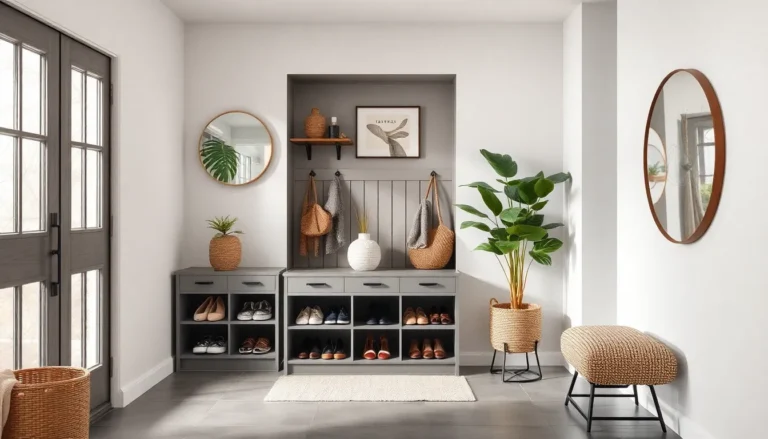
Florida isn’t just about sunshine and theme parks; it’s a treasure trove for aspiring interior designers. With its vibrant culture and eclectic architecture, the Sunshine State offers a unique backdrop for anyone looking to transform spaces into stunning works of art. Imagine walking through a classroom where creativity flows as freely as the ocean breeze—sounds pretty appealing, right?
Overview of Interior Design Education
Interior design education in Florida focuses on equipping students with fundamental skills needed in the industry. Various schools across the state offer programs that range from associate degrees to master’s degrees. These programs emphasize a blend of creativity and technical knowledge essential for designing functional and aesthetically pleasing spaces.
Accredited programs often adhere to guidelines set by the Council for Interior Design Accreditation. This ensures that students receive a comprehensive education that meets industry standards. Fields of study frequently include space planning, color theory, and materials selection. Specific coursework often prepares students for licensure and certification in their careers.
Hands-on experience plays a significant role in many Florida interior design programs. Students participate in internships, collaborating with established professionals on real-world projects. This practical exposure enhances their portfolios and prepares them for the competitive job market.
Several schools in Florida feature state-of-the-art facilities and resources. Design studios and workshops equipped with modern technology offer an environment conducive to creativity. Students have access to software commonly utilized in the industry, allowing them to develop technical proficiency alongside artistic skills.
Networking opportunities abound at many institutions. Industry leaders often participate in guest lectures and workshops, providing insights into current trends and practices. These connections can aid students in securing job placements after graduation.
Florida’s dynamic design scene complements academic endeavors, enriching the learning experience. The state’s architectural diversity fosters inspiration and innovation among students. Engaging with local design exhibitions and events further broadens their understanding of the field.
Top Interior Design Schools in Florida

Florida offers several top-tier interior design schools that foster creativity and skill development. Each institution presents unique programs dedicated to preparing students for a successful career in interior design.
School Profile: University of Florida
The University of Florida (UF) features a comprehensive interior design program accredited by the Council for Interior Design Accreditation. Students engage in hands-on learning through design studios and collaborative projects. Curriculum areas include space planning, building systems, and sustainable design practices. Moreover, opportunities arise for internships with local firms, allowing students to gain real-world experience that enhances their skills and portfolios. Guest lectures facilitate networking with industry professionals, making UF a strong choice for aspiring designers.
School Profile: Florida State University
Florida State University (FSU) offers a Bachelor of Fine Arts in Interior Design recognized for its rigorous coursework and dedicated faculty. The program emphasizes creative thinking and technical skills, preparing students for diverse design challenges. Classes incorporate topics like color theory, furniture design, and environmental graphics. Additionally, students can participate in community design projects, boosting their profiles while serving local needs. FSU’s commitment to fostering a collaborative environment creates a strong foundation for future design professionals.
School Profile: Miami International University of Art & Design
Miami International University of Art & Design provides an engaging curriculum focused on the practical aspects of interior design. Accredited programs emphasize communication, aesthetics, and functionality in design thinking. Students benefit from advanced facilities that mimic real-world environments, allowing them to hone their skills effectively. Internships with local design firms enable students to gain vital industry insights while building connections. The university’s location in a vibrant multicultural city offers unique inspiration, enhancing the overall educational experience in interior design.
Admission Requirements for Interior Design Programs
Aspiring interior designers aiming to enroll in Florida’s programs must meet specific admission requirements. Most programs require a high school diploma or equivalent, providing the foundational education needed for advanced study. Applicants typically submit standardized test scores, such as the SAT or ACT, reflecting their academic readiness.
Portfolio submissions play a crucial role in the admissions process. Many schools encourage applicants to present a portfolio showcasing their creative skills, artwork, and design projects. This portfolio often serves as a differentiator among applicants, highlighting their unique style and potential.
Letters of recommendation from teachers or industry professionals add depth to applications. These letters should speak to the applicant’s skills, work ethic, and passion for design, providing insight to admission committees. Personal statements or essays are also common, allowing applicants to express their motivations and career goals.
Some programs may include an interview as part of the admissions process. This interview provides a chance for applicants to demonstrate their commitment to the field and discuss their experiences in greater detail.
Transfer students seeking admission must typically provide transcripts from previous educational institutions. Each school evaluates these on a case-by-case basis, often aligning transfer credits with their program requirements.
In addition, certain institutions may require foundational courses in art or design. Completing these courses at the collegiate level or through special programs can strengthen an application.
Understanding these requirements equips aspiring students with the knowledge to navigate the admissions process successfully.
Curriculum and Specializations Offered
Interior design schools in Florida provide a diverse range of curriculums, emphasizing creativity and technical skills. Programs typically cover core subjects such as space planning, color theory, and materials selection. Hands-on learning is integral, with students often engaging in real-world projects through internships.
Some schools offer specialized courses, allowing students to focus on specific areas within interior design. Sustainability and green design are popular specializations that cater to the growing demand for environmentally friendly practices. Historic preservation programs also attract students interested in maintaining architectural integrity while modernizing spaces.
Fabric and furniture design often appear as key components in many curriculums, helping students understand the nuances of material selection. Digital design technologies frequently feature in coursework, exposing students to industry-standard software and techniques. These tools are essential as they prepare for contemporary design challenges.
Several institutions incorporate community-focused projects into their programs, fostering collaboration and social responsibility. Workshops led by industry professionals further enrich the educational experience, offering insights into current trends and practices in the field. Guest lectures and networking events help forge connections between students and established designers.
Accreditation remains a critical factor in program selection, as recognized schools often enhance career prospects. Some renowned schools in Florida, such as the University of Florida and Miami International University of Art & Design, provide robust curriculums recognized by industry leaders. Opportunities for internships and collaborative projects significantly enhance students’ portfolios, equipping them for future careers in interior design.
Overall, interior design programs in Florida deliver comprehensive education that blends creative theory with practical application, ensuring students develop the necessary skills and experiences to thrive in the competitive design landscape.
Career Opportunities After Graduation
Graduates from interior design schools in Florida experience a diverse array of career opportunities. Many find employment as interior designers, where they conceptualize and create functional spaces for residential and commercial clients. Others may pursue roles as design consultants, providing expert advice on aesthetics and layout.
Some graduates choose to specialize in areas such as sustainable design, focusing on eco-friendly practices that meet modern demands. Additionally, opportunities exist in project management, coordinating design projects from conception to completion. Event design also attracts interior design graduates, allowing them to craft immersive environments for special occasions.
While some individuals work within established firms, others venture into entrepreneurship, launching their design studios. Collaboration with architects, builders, and real estate developers presents another pathway for interior design graduates, enabling them to influence larger projects.
The job market for interior designers shows promising growth, with the U.S. Bureau of Labor Statistics projecting a 4% increase in employment from 2019 to 2029. Salaries can vary based on experience and location; the median annual wage for interior designers was approximately $56,000 in 2020.
Networking opportunities gained through internships and school connections significantly enhance career prospects. Engaging with industry professionals through workshops and lectures allows graduates to establish valuable relationships. Florida’s vibrant design scene also offers continuous inspiration and collaboration opportunities, keeping designers connected to emerging trends.
Continuing education further supports career advancement, with professional certifications and workshops available for ongoing skill development. Interior design associations often provide resources and networking events that keep professionals informed about the latest industry standards.
Florida stands out as an exceptional place for aspiring interior designers. Its rich culture and diverse architecture create an inspiring backdrop for creative minds. With a variety of accredited programs available, students can find the right fit to develop their skills and gain valuable hands-on experience.
The state’s interior design schools not only provide comprehensive education but also foster connections within the industry. Graduates leave equipped to tackle various career paths, from design consulting to entrepreneurship. As the demand for skilled interior designers continues to rise, Florida’s educational landscape ensures that students are well-prepared to make their mark in this dynamic field.