Step into the roaring twenties, where flapper dresses and jazz music ruled the night, and home interiors were anything but ordinary. Picture vibrant colors, bold patterns, and a flair for the dramatic that turned every living room into a stage. The 1920s wasn’t just about the glitz and glam outside; it transformed homes into stylish sanctuaries that reflected the spirit of a generation.
Overview of 1920s Home Interiors
1920s home interiors showcase a unique blend of elegance and excitement. This decade introduced Art Deco, a style characterized by geometric patterns and luxurious materials. Rich colors like deep blues and vibrant reds adorned walls, creating inviting spaces.
Bold wallpaper patterns became popular, often featuring motifs inspired by nature and abstraction. Furniture embraced both comfort and glamour, with plush upholstery and sleek surfaces dominating living rooms. This period also emphasized open floor plans, allowing for fluid movement and social gatherings.
Lighting played a significant role in enhancing the ambiance of these interiors. Decorative chandeliers and unique table lamps added a touch of sophistication. Homeowners favored statement pieces that reflected their personalities and tastes.
Kitchens and dining areas underwent transformations as well. Vibrant tiles and practical layouts improved functionality while maintaining aesthetic appeal. Families enjoyed gatherings around expansive dining tables, fostering a sense of community.
Storage solutions evolved to accommodate an increasing number of household items. Built-in cabinetry offered stylish options for displaying china and collectibles, blending functionality with design.
The use of textiles also saw innovation, with luxurious fabrics like velvet and silk gaining popularity. Soft rugs and curtains contributed to an overall sense of warmth and comfort. Layering materials added depth to spaces, allowing for personalized expressions of style.
Art and decorative accessories enhanced the visual impact of 1920s homes. Frequent use of mirrors and oversized artwork established focal points, drawing attention and inspiring conversation. Overall, this vibrant era in home interiors reflects a time of cultural change and artistic freedom, leaving a lasting impact on design aesthetics in subsequent decades.
Key Design Elements
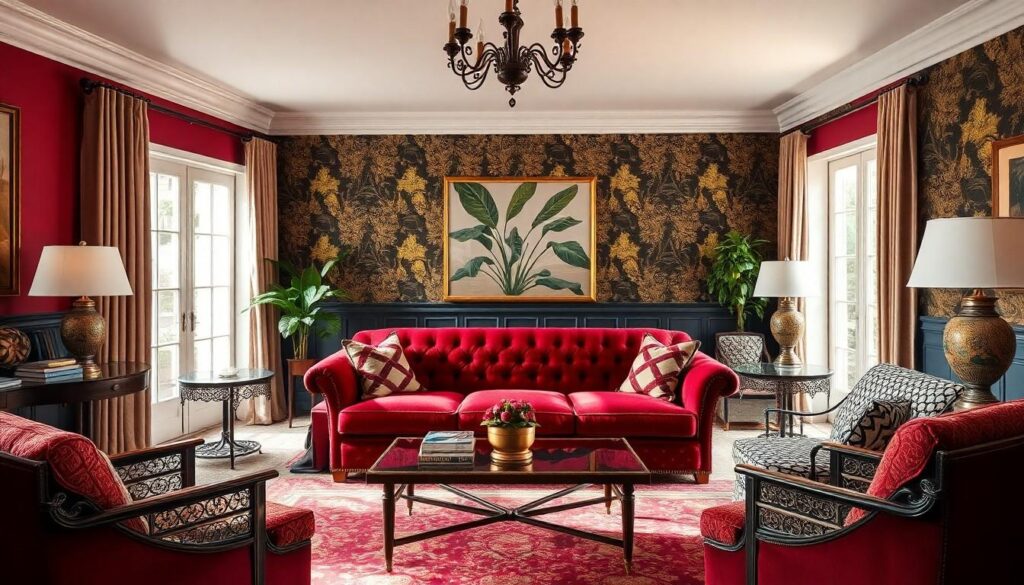
The 1920s home interiors showcased distinct design elements that captured the essence of the era. Vibrant colors, luxurious furnishings, and innovative textiles defined the interior landscape, creating captivating living spaces.
Color Palettes
Bold color palettes characterized this decade, infusing homes with energy. Rich jewel tones like emerald green, sapphire blue, and deep burgundy adorned walls, creating striking backdrops. Accent colors in gold and silver added touches of glamour, complementing the overall decor. Deep hues often contrasted with lighter shades, enhancing visual interest and depth. Decorative wallpaper featured geometric and nature-inspired motifs, further elevating the space’s aesthetic appeal. These daring choices in color not only reflected personal style but also painted a picture of cultural dynamism.
Furniture Styles
Furniture of the 1920s embraced both comfort and sophistication. Streamlined silhouettes in sofas and chairs became popular, often upholstered in luxurious fabrics such as velvet and silk. Iconic pieces included Art Deco furniture, marked by geometric shapes and ornate detailing. Lively patterns on cushions and throws contributed to the vibrant atmosphere. Tables and cabinets showcased high-gloss finishes and intricate designs, perfect for blending beauty with functionality. Open layouts encouraged interaction, emphasizing the importance of socialization in living spaces.
Popular Materials and Textures
The 1920s introduced a rich variety of materials and textures that defined home interiors, enhancing both aesthetics and comfort.
Wood and Metal
Wood and metal formed foundational elements in 1920s home design. Fine hardwoods like oak and walnut appeared prominently in furniture and cabinetry. These materials added warmth and depth to living spaces. Meanwhile, metals like brass and chrome accented furniture, lighting, and decorative elements. Reflective surfaces became a hallmark of the Art Deco style, often seen in coffee tables, lamps, and fixtures. Both wood and metal complemented bold colors, creating striking visual contrasts that elevated the overall design.
Fabrics and Wallpaper
Fabrics and wallpaper during the 1920s emphasized luxury and vibrancy. Upholstery materials like velvet and silk were popular due to their lavish textures. Rich colors and intricate patterns adorned furnishings, bringing a sense of elegance to interiors. Wallpaper often featured dramatic motifs, including geometric shapes and nature-inspired designs. The interplay between bold fabrics and artistic wallpaper created immersive environments that resonated with the lively spirit of the decade. In addition, layering textiles added warmth to rooms, ensuring comfort alongside visual appeal.
Influential Design Movements
The 1920s featured several design movements that significantly impacted home interiors, creating spaces that balanced elegance and modernity.
Art Deco
Art Deco emerged as the defining style of the decade, characterized by bold geometric patterns and opulent materials. Designers celebrated rich jewel tones like emerald and sapphire, which adorned walls and furnishings. Iconic pieces showcased streamlined silhouettes with intricate detailing, contributing to the luxurious atmosphere. Decorative motifs often included floral and abstract designs, captivating residents and guests alike. Light fixtures such as ornate chandeliers and sleek table lamps enhanced the overall aesthetic, further emphasizing sophistication in every room. The fusion of these elements created vibrant living spaces that reflected the spirit of the era.
Craftsman Style
Craftsman Style offered a contrasting approach, prioritizing simplicity and handcrafted details. Characterized by exposed beams and built-in furniture, this style showcased natural materials such as wood and stone. Earthy tones dominated color palettes, fostering a warm and inviting ambiance. Functional design elements came into play, including built-in bookshelves and extensive cabinetry, which highlighted practicality without sacrificing style. This movement emphasized artisan craftsmanship, resulting in unique home interiors that resonated with families seeking comfort and authenticity. The balance of form and function defined the Craftsman Style, making it a beloved choice during the 1920s.
Iconic Room Designs
The 1920s introduced distinctive room designs that reflected the era’s spirit. Style fused with functionality, creating inviting and sophisticated living spaces.
Living Room
Living rooms during the 1920s prioritized both comfort and elegance. Plush furniture featured rich fabrics, showcasing materials like velvet and silk that added luxury. Bold colors defined the space, with deep jewel tones creating striking backdrops. Art Deco influence appeared in furniture with geometric shapes and ornate detailing. Unique lighting fixtures, such as decorative chandeliers and table lamps, enhanced ambiance, contributing to the overall aesthetic. Open floor plans encouraged socialization, making these rooms ideal for gatherings, allowing friends and family to connect in a vibrant setting.
Bedroom
Bedrooms embraced a serene yet glamorous atmosphere in the 1920s. Rich textiles adorned beds, emphasizing comfort through materials that included soft silks and intricate patterns. Deep colors set the mood, while accent details in gold or silver elevated the space. Furniture often included sleek nightstands and large, inviting armoires, merging practicality with style. Light played an essential role, with elegant lamps illuminating the luxurious surroundings. Wallpaper featuring bold motifs created immersive environments, making bedrooms personal sanctuaries that reflected individual taste and the decade’s artistic flair.
The home interiors of the 1920s represent a fascinating blend of creativity and style. This decade’s designs not only embraced bold colors and patterns but also reflected the cultural shifts of the time. The influence of Art Deco and Craftsman Style created unique spaces that balanced elegance with comfort.
As homeowners sought to express individuality through their interiors, the vibrant palettes and luxurious materials became defining features. The emphasis on social interaction and community is evident in the open layouts and inviting furnishings. Ultimately, the 1920s left an indelible mark on interior design, inspiring future generations to explore the interplay between aesthetics and functionality in their own homes.